+91-9216134246, +91-7087096663
 info@neerajtrading.com

Choosing the right attendance and access control system is a crucial decision that directly impacts your organization’s efficiency, security, and overall workforce management. Among the most widely used solutions, RFID and biometric systems stand out, each offering distinct benefits depending on business needs. RFID (Radio Frequency Identification) systems operate using cards or tags that employees simply scan to mark attendance or gain entry. These systems are easy to deploy, user-friendly, and relatively cost-effective, making them an attractive choice for small to mid-sized businesses looking for a quick and scalable solution. However, despite their convenience, RFID systems come with certain limitations. Since cards can be misplaced, stolen, or even shared among employees, they are more vulnerable to misuse, leading to inaccurate attendance tracking and potential security gaps within the organization.
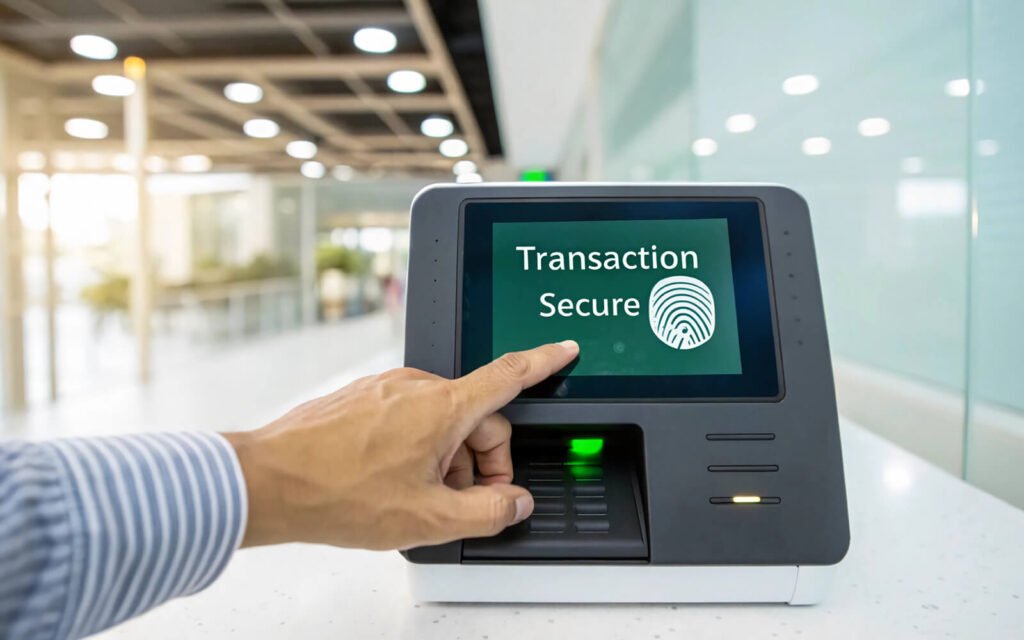
In contrast, biometric systems offer a more advanced and secure approach by relying on unique biological identifiers such as fingerprints, facial recognition, or iris scans. These traits are inherently personal and cannot be duplicated or transferred, which significantly reduces the risk of fraudulent activities like buddy punching or unauthorized access. Biometric systems ensure highly accurate attendance records while enhancing workplace security, making them ideal for organizations where reliability and data integrity are critical. Although the initial investment in biometric technology may be higher compared to RFID systems, the long-term advantages—such as reduced administrative errors, improved operational efficiency, and seamless integration with HR and payroll systems—make it a cost-effective solution over time. Ultimately, the choice between RFID and biometric systems should be based on your business size, security priorities, operational complexity, and long-term scalability goals.